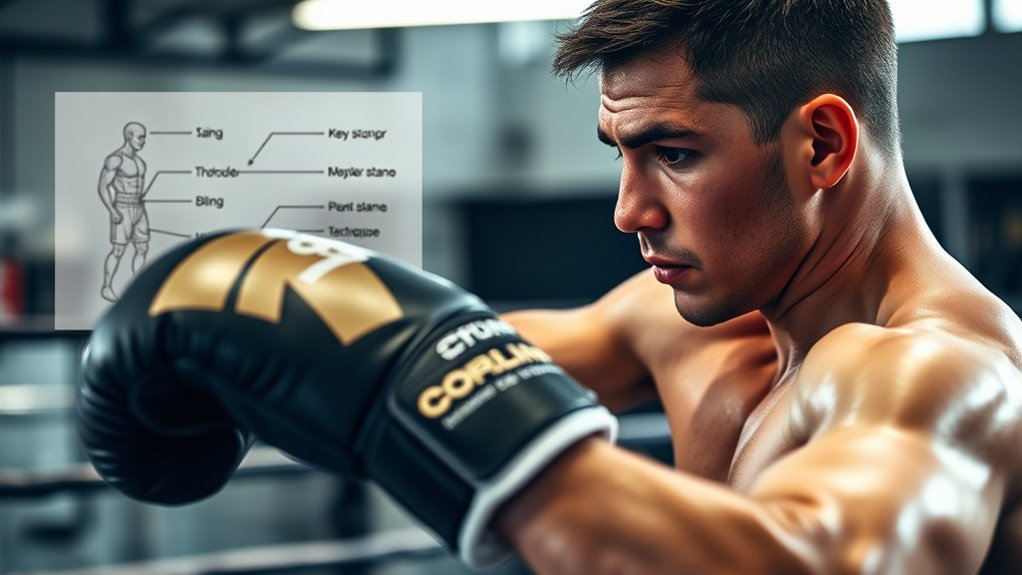
To prevent shoulder injuries in boxing, you need to understand your shoulder anatomy and function. Start with proper warm-up routines to increase flexibility and blood flow. Engage in strengthening exercises for stability, while practicing flexibility techniques to enhance your range of motion. Pay attention to your body's signals, incorporate recovery periods, and maintain a balanced diet for shoulder health. Want to explore more strategies for safeguarding your shoulder during training?
Understanding Shoulder Anatomy and Function
The shoulder is a remarkable joint that plays an essential role in boxing. It's a ball-and-socket joint, giving you a wide range of motion, which is critical for powerful punches and swift defensive movements. Understanding how your shoulder works can help you harness its full potential while staying injury-free.
Your shoulder consists of bones, tendons, and muscles working together seamlessly. The rotator cuff, a group of muscles and tendons, stabilizes the joint, allowing you to throw punches with precision. When you're in the ring, your shoulder's flexibility and strength help you pivot and strike effectively. A strong rotator cuff is crucial for preventing injuries during high-intensity activities like boxing.
However, with that freedom of movement comes responsibility. Recognizing the anatomy and function of your shoulder helps you appreciate its limits. Pay attention to any signs of discomfort; knowing how to protect this essential joint will keep you in the game longer, allowing you to enjoy the sport you love without the fear of injury.
Importance of Proper Warm-Up Routines
When you step into the ring, warming up properly isn't just a suggestion—it's essential for preventing shoulder injuries. A good warm-up increases blood flow to your muscles, making them more flexible and ready for action. You don't want to dive straight into intense movements without preparing your body; that's a surefire way to invite injury.
Start with dynamic stretches, focusing on your arms, shoulders, and upper back. Incorporate shoulder circles and arm swings to loosen up. Gradually increase intensity with light shadowboxing or footwork drills, allowing your body to adapt to the motions you're about to perform. Additionally, engaging in dynamic stretching is crucial as it prepares muscles and joints for action, enhancing flexibility and range of motion.
Strengthening Exercises for Shoulder Stability
To keep your shoulders strong and stable in boxing, incorporating specific exercises is key. Focus on rotator cuff exercises, scapular stabilization drills, and resistance band training to build resilience. These moves will help protect you from injuries and enhance your overall performance in the ring. Additionally, regular dynamic warm-up exercises can prepare your shoulders for the demands of boxing.
Rotator Cuff Exercises
As you work to enhance your boxing performance, incorporating rotator cuff exercises into your routine can considerably bolster shoulder stability. These exercises target the small muscles surrounding your shoulder joint, helping prevent injuries and improving your punching power. Simple moves like external rotations with a resistance band or light dumbbells can make a significant difference. You can also try lying on your side and lifting your arm with control, focusing on the muscle engagement. Aim for 2-3 sets of 10-15 repetitions for each exercise, adjusting the resistance as needed. Consistency is key, so make these exercises a regular part of your training regimen. By strengthening your rotator cuff, you'll enjoy greater freedom in your movements and a more resilient shoulder.
Scapular Stabilization Drills
Scapular stabilization drills are essential for maintaining shoulder stability and preventing injuries in boxing. These exercises help strengthen the muscles around your scapula, allowing for better control during punches and movements. Here are some effective drills you can incorporate into your routine:
- Wall slides: Slide your arms up and down a wall while keeping your back flat.
- Scapular push-ups: Lower and raise your body while keeping your elbows straight to engage your scapula.
- Shoulder blade squeezes: Pull your shoulder blades together and hold for a few seconds.
- Y-T-W raises: Lie face down and lift your arms in a Y, T, and W position.
- Plank shoulder taps: Maintain a plank position while tapping your shoulders, engaging your core and shoulders.
Incorporate these drills to keep your shoulders strong and injury-free!
Resistance Band Training
Resistance band training is a fantastic way to enhance shoulder stability and strength, essential for any boxer. By incorporating these exercises into your routine, you'll build resilience in your shoulder muscles, reducing the risk of injury. Here's a quick overview of some effective resistance band exercises:
| Exercise | Target Area | Reps/sets |
|---|---|---|
| External Rotation | Rotator Cuff | 3 sets of 15 |
| Internal Rotation | Rotator Cuff | 3 sets of 15 |
| Shoulder Abduction | Deltoids | 3 sets of 12 |
| Face Pulls | Upper Back | 3 sets of 12 |
| Band Pull Apart | Upper Back | 3 sets of 15 |
Integrate these into your training, and you'll feel the difference in your shoulder performance!
The Role of Flexibility and Stretching
While many boxers focus on strength and technique, neglecting flexibility and stretching can lead to shoulder injuries that might sideline your training. By incorporating flexibility exercises into your routine, you'll enhance your range of motion, allowing your shoulders to withstand the demands of boxing.
Here are some key benefits of prioritizing flexibility and stretching:
- Improved Range of Motion: Freer movement means better punches and evasive maneuvers.
- Reduced Muscle Tension: Less tension in your muscles can help prevent injuries.
- Enhanced Recovery: Stretching aids in muscle recovery, keeping you in the ring longer.
- Increased Blood Flow: Better circulation supports overall shoulder health and performance.
- Mental Relaxation: Stretching can be a calming practice, helping you focus on your technique.
Additionally, incorporating core strength training can enhance your stability and control during punches, reducing the risk of shoulder injuries.
Don't underestimate the power of flexibility; it's an essential component in your boxing success and injury prevention strategy.
Techniques for Correct Punching Mechanics
Mastering correct punching mechanics is essential for maximizing your power and minimizing your risk of injury. Start by ensuring your stance is balanced, with your feet shoulder-width apart. When you throw a punch, rotate your hips and shoulders in unison. This engagement generates power and keeps your shoulder stable.
Keep your elbows close to your body when you punch, avoiding excessive extension, which can strain your shoulder. Aim for a straight line from your fist to your shoulder upon impact, ensuring your wrist is aligned and not bent.
Practice proper follow-through; your fist should retract quickly after hitting the target. This not only helps maintain balance but also prepares you for your next move. Remember, it's not just about speed or power; precision matters. By focusing on these techniques, you'll enhance your boxing skills while protecting your shoulders from injury. Incorporating strength training exercises can further improve your shoulder stability and overall performance in the ring.
Utilizing Protective Gear and Equipment
When it comes to preventing shoulder injuries in boxing, using the right protective gear is essential. Hand wraps support your wrists and knuckles, while choosing proper gloves can make a significant difference in impact absorption. Investing in quality equipment not only protects your hands but also helps maintain your shoulder health during training and matches.
Importance of Hand Wraps
Although hand wraps might seem like a minor detail in boxing gear, they play an essential role in preventing injuries. You might not realize it, but wrapping your hands properly can make a huge difference in your performance and safety. Here's why you should never skip this step:
- Support: They stabilize your wrists and knuckles.
- Protection: They cushion your hands against impact.
- Alignment: They help maintain proper hand positioning.
- Absorption: They absorb sweat, keeping your gloves dry.
- Confidence: Knowing you're protected boosts your mental game.
Investing a little time in wrapping your hands can save you from unnecessary injuries, allowing you to train freely and effectively. So, take a moment and wrap those hands before you hit the ring!
Choosing Proper Gloves
Choosing the right gloves is crucial for protecting your shoulders, as well as enhancing your overall boxing performance. When selecting gloves, consider the weight, fit, and padding. Lighter gloves might feel freeing, but they won't provide the support your shoulders need during intense training or sparring. A snug fit guarantees that your hands don't shift around, which can lead to improper punches and strain on your shoulders. Look for gloves with adequate padding to absorb impact, minimizing stress on your shoulder joints. Remember to try on different styles—what feels great for someone else might not be right for you. Ultimately, investing in quality gloves will not only keep your shoulders safe but also allow you to box with confidence and freedom.
Listening to Your Body: Recognizing Warning Signs
How can you tell when your body is signaling that something's not right? In boxing, it's essential to listen to those signals to prevent serious shoulder injuries. Ignoring pain can lead to long-term damage, so pay attention to what your body's telling you. Here are some warning signs to watch out for:
- Unexplained pain during punches or shoulder movements
- Persistent tightness or stiffness in your shoulder
- Weakness or instability in your arm
- Numbness or tingling sensations
- Swelling or inflammation around the shoulder joint
Recognizing these symptoms early can help you adjust your training or seek medical advice. Additionally, incorporating proper warm-up routines is crucial for maintaining shoulder health. Remember, your body knows best. By tuning in to these signals, you'll not only enhance your performance but also protect your freedom to box without injury. Don't let pride or stubbornness cloud your judgment; listen to your body and stay in the game longer.
Incorporating Recovery and Rest Periods
Incorporating recovery and rest periods into your training routine is essential for maintaining shoulder health and preventing injuries. Pushing your limits is part of boxing, but your body needs time to heal and adapt. Schedule regular rest days to let your muscles recover, especially after intense workouts.
Active recovery, like light stretching or yoga, can keep circulation flowing without overexerting your shoulders. Don't underestimate the power of sleep; it's during this time that your muscles repair and grow stronger. Quality sleep is crucial as it enhances recovery and reduces the likelihood of injuries. Listen to your body; if you're feeling fatigued or sore, it's a sign to ease off.
Consider mixing in lighter training sessions that focus on technique instead of intensity. This way, you'll still be in the ring but allowing your shoulders to recuperate. By balancing hard work with proper recovery, you'll be able to train smarter, stay injury-free, and enjoy the freedom of boxing without limitations.
The Impact of Nutrition on Shoulder Health
When it comes to shoulder health, what you eat plays an essential role in your recovery. Essential nutrients, proper hydration, and anti-inflammatory foods can greatly impact how well your body heals after a tough training session. Additionally, maintaining a proper electrolyte balance is crucial for optimal muscle function and can aid in preventing injuries. Let's explore how these factors can help you stay injury-free and perform at your best.
Essential Nutrients for Recovery
Nutrition plays a crucial role in recovery, especially for boxers looking to protect their shoulders from injuries. By fueling your body with the right nutrients, you can enhance healing and support joint health. Here are some essential nutrients to take into account:
- Protein: Helps repair damaged tissues and builds muscle.
- Omega-3 Fatty Acids: Reduces inflammation and promotes joint health.
- Vitamin C: Essential for collagen production, which supports tendons and ligaments.
- Magnesium: Aids in muscle relaxation and reduces cramps.
- Calcium and Vitamin D: Important for bone strength and overall structural integrity.
Incorporating these nutrients into your diet can make a significant difference in your recovery process and keep you in the ring longer.
Hydration's Role in Healing
While many boxers focus on solid nutrition for recovery, hydration often gets overlooked, yet it plays an essential role in healing shoulder injuries. Water helps transport crucial nutrients to your cells, ensuring your body has what it needs for repair. When you're properly hydrated, your joints stay lubricated, reducing stiffness and discomfort during recovery. Dehydration can lead to muscle cramping and fatigue, which can hinder your training and increase the risk of further injury. To optimize your shoulder health, make hydration a priority. Aim to drink water consistently throughout the day, especially before and after workouts. Remember, staying hydrated isn't just about quenching your thirst; it's about empowering your body to heal and perform at its best.
Anti-Inflammatory Foods Selection
Incorporating anti-inflammatory foods into your diet can significantly enhance your shoulder health and aid in recovery from injuries. Fueling your body with the right nutrients can make a considerable difference. Here's a quick list of foods you might want to include:
- Fatty fish (like salmon and mackerel)
- Berries (such as blueberries and strawberries)
- Leafy greens (like spinach and kale)
- Nuts (especially walnuts and almonds)
- Turmeric (a spice known for its anti-inflammatory properties)
Eating these foods can help reduce inflammation, promote healing, and keep you feeling free and agile in the ring. So, embrace these choices, and give your shoulders the support they deserve!
Seeking Professional Guidance and Coaching
When it comes to preventing shoulder injuries in boxing, seeking professional guidance and coaching can be a game changer. Having a knowledgeable coach by your side means you can learn proper techniques and avoid bad habits that lead to injuries. They can tailor your training to fit your unique needs, helping you build strength and flexibility in your shoulders. Additionally, integrating flexibility and mobility work into your training regimen can greatly enhance joint function and decrease the risk of injury.
| Benefits of Professional Coaching | Tips for Choosing a Coach |
|---|---|
| Expert knowledge on injury prevention | Look for certifications and experience |
| Personalized training programs | Read reviews and testimonials |
| Immediate feedback on technique | Schedule a trial session |
With the right coach, you'll feel empowered to push your limits without compromising your safety. So, don't hesitate to invest in your training; it's one of the best ways to guarantee your boxing journey remains injury-free and fulfilling.
Frequently Asked Questions
How Often Should I Check My Boxing Gear for Wear and Tear?
Like a gardener tending to fragile blooms, you should check your boxing gear regularly—at least once a month. Don't let wear and tear sneak up on you; keep your equipment fresh and ready for action!
Can Shoulder Injuries Affect My Overall Boxing Performance?
Absolutely, shoulder injuries can hinder your overall boxing performance. They limit your movement, reduce power in punches, and affect your stamina. Staying injury-free guarantees you can train hard and fight at your best without restrictions.
What Are Common Shoulder Injuries in Boxing?
In boxing, you might face common shoulder injuries like rotator cuff tears, tendonitis, or dislocations. These can hinder your movement and power, so it's essential to recognize and address them before they escalate.
How Can I Maintain Good Posture While Boxing?
To dance gracefully in the ring, you'll want to keep your head high and shoulders relaxed. Align your spine, engage your core, and remember, it's all about finding that perfect balance while you move!
Is Ice or Heat Better for Shoulder Pain Relief?
When it comes to shoulder pain relief, you'll find ice reduces inflammation, while heat relaxes and loosens tight muscles. Try both to see which works better for you, as everyone's body responds differently.