When choosing the right compression gear for recovery, consider your activity level and comfort. Compression levels range from mild to high, so pick one that suits your needs. Opt for moisture-wicking fabrics like nylon or spandex for added comfort. Make sure the fit is snug but not restrictive. Different types like socks, sleeves, and tights can support specific areas of your body. There's much more to discover about enhancing your recovery experience, so keep exploring!
Understanding Compression Levels
When you're choosing compression gear for recovery, it's important to understand the different compression levels available. Compression gear typically ranges from mild (15-20 mmHg) to high (30-40 mmHg). Mild compression's great for everyday wear, enhancing circulation without feeling restrictive. Moderate compression (20-30 mmHg) can support muscle recovery and reduce swelling during post-workout periods. High compression's designed for serious athletes who need maximum support during intense recovery phases.
Consider your activity level and specific needs when selecting compression gear. Higher levels provide more support but may feel tighter, which can be a freeing sensation for some. Ultimately, it's about finding the right balance that allows you to move freely and recover effectively. Listen to your body, and choose what feels best for you.
Choosing the Right Fabric
Choosing the right fabric for your compression gear can make a significant difference in your recovery experience. You want materials that not only offer compression but also allow your skin to breathe and move freely. Look for moisture-wicking fabrics that keep you dry and comfortable during recovery.
| Fabric Type | Benefits | Drawbacks |
|---|---|---|
| Nylon | Durable, stretchy | Can retain heat |
| Polyester | Lightweight, quick-drying | Less breathable |
| Spandex | Excellent elasticity | May lose shape over time |
The Importance of Fit and Sizing
Although the fabric of your compression gear is essential, the fit and sizing are just as important for effective recovery. If your gear's too tight, it can restrict movement, making you feel uncomfortable and trapped. On the other hand, if it's too loose, you won't get the support you need, limiting its benefits. Finding the right size allows you to enjoy freedom of movement while still receiving the necessary compression to enhance circulation and reduce muscle soreness. When trying on gear, pay attention to how it feels during movement—does it hug your body without constricting? Remember, the right fit can greatly impact your recovery, allowing you to bounce back stronger and ready to tackle your next adventure.
Different Types of Compression Gear
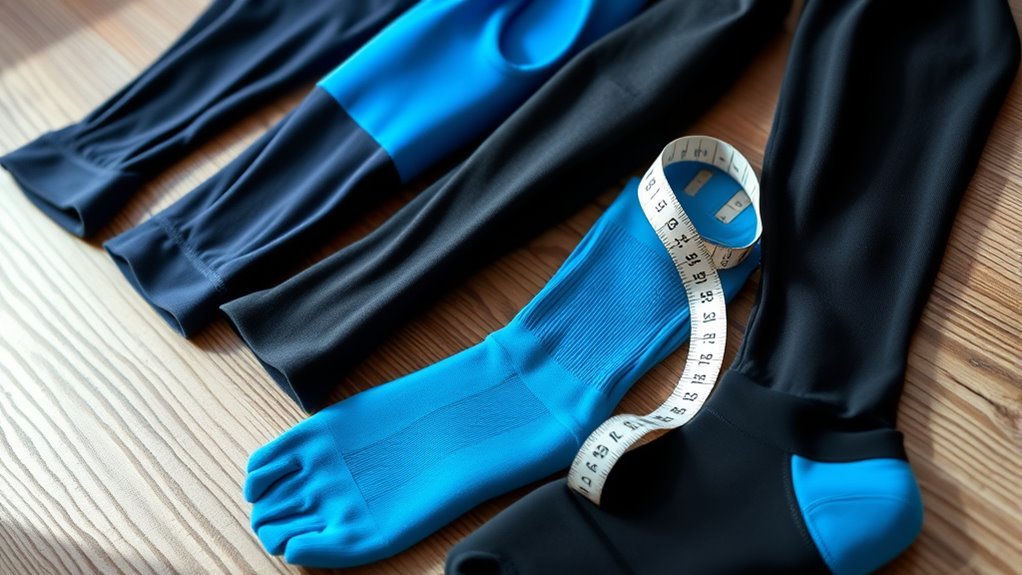
While you might think all compression gear is the same, there are actually several types designed for specific recovery needs. Choosing the right one can enhance your freedom of movement and support your body. Here are four popular types:
- Compression Socks: Great for enhancing circulation in your legs, perfect for runners and travelers.
- Compression Sleeves: Target your arms or calves, ideal for athletes looking to reduce muscle soreness.
- Compression Tights/Shorts: Offer full lower body support, helping to stabilize muscles during recovery.
- Compression Tops: Designed for your upper body, they can improve posture and reduce fatigue during recovery.
Explore these options to find what fits your lifestyle best and enjoy the freedom that comes with proper recovery!
Benefits of Compression Gear for Recovery
Compression gear offers numerous benefits for recovery that go beyond just comfort. When you wear it, you're not only helping to reduce muscle soreness but also enhancing blood circulation, which speeds up the delivery of oxygen and nutrients to your muscles. This means you can bounce back quicker after intense workouts or long runs. Plus, compression can help reduce swelling and inflammation, allowing you to feel more agile and free in your movements. It also provides a sense of stability, making you feel confident as you tackle your next challenge. By choosing the right compression gear, you're embracing a smarter approach to recovery, ensuring your body feels ready to perform at its best whenever you are.
When to Wear Compression Garments
Knowing when to wear compression garments can make a significant difference in your recovery process. You'll want to reflect on the following times to don your gear for ideal benefits:
Knowing when to wear compression garments can greatly enhance your recovery journey. Consider timing for optimal results.
- Post-Workout: Slip them on right after a workout to help reduce muscle soreness.
- During Long Travels: Wear them on long flights or drives to improve circulation and prevent swelling.
- Recovery Days: Use compression wear during rest days to enhance blood flow and speed up recovery.
- While Sleeping: Think about wearing them overnight to maintain support and promote healing while you rest.
Integrating Compression Wear Into Your Routine
As you look to enhance your recovery, integrating compression wear into your routine can be a game changer. Start by incorporating compression garments during workouts; they'll help improve blood flow and reduce muscle fatigue. Post-exercise, slip into recovery-specific wear to aid in muscle repair and minimize soreness. You can also wear compression during downtime, like while watching TV or traveling, promoting circulation and keeping you feeling light and energized. Experiment with different styles—sleeves, leggings, or socks—to find what feels best for you. Listen to your body; if something doesn't feel right, adjust accordingly. By making compression wear a regular part of your lifestyle, you'll embrace the freedom to recover faster and perform better in all your activities.
Popular Brands and Their Offerings
When it comes to selecting compression gear, several popular brands stand out for their quality and innovative offerings. These brands not only provide relief but also empower your journey toward recovery. Here are some top picks you might consider:
- SKINS – Known for their scientifically designed compression wear that enhances performance and recovery.
- 2XU – Offers a wide range of products, from socks to tights, perfect for post-workout recovery.
- Zensah – Features moisture-wicking fabrics, ideal for those who value comfort and breathability.
- CEP – Their compression sleeves and socks are great for targeted support and improved circulation.
With these brands, you're sure to find something that suits your needs and keeps you moving freely!
Tips for Maintaining Your Compression Gear
To keep your compression gear performing at its best, it's essential to follow a few simple maintenance tips. First, always wash your gear after each use to remove sweat and bacteria. Opt for cold water and a gentle detergent to preserve elasticity. Avoid fabric softeners and bleach, as they can damage the material.
Here's a quick reference table to help you remember:
| Maintenance Tip | Action |
|---|---|
| Washing | Cold water, gentle detergent |
| Drying | Air dry, avoid direct sunlight |
| Storage | Store flat, avoid folding |
| Inspection | Check for wear or damage |
Frequently Asked Questions
Can Compression Gear Help Prevent Injuries During Workouts?
Compression gear can support your muscles during workouts, potentially reducing the risk of injuries. It helps improve blood circulation and keeps your muscles warm, allowing you to move freely and confidently while pushing your limits.
How Do I Clean My Compression Gear Effectively?
To clean your compression gear effectively, hand wash it in cold water with mild detergent. Avoid fabric softeners and bleach. Air dry it flat to maintain its elasticity, and you'll keep it in great shape longer.
Is It Safe to Sleep in Compression Garments?
Sleeping in compression garments can feel like a warm hug, but it's essential to listen to your body. If it feels restrictive or uncomfortable, it's best to remove them and enjoy the freedom of movement.
What Are Common Misconceptions About Compression Gear?
Many think compression gear's only for athletes or that it's uncomfortable. Others believe it restricts blood flow. In reality, it can enhance circulation and provide support, making it beneficial for anyone seeking comfort and recovery.
Can I Use Compression Gear if I Have a Medical Condition?
Around 30% of people with medical conditions find compression gear beneficial. However, you should consult your doctor first. You deserve the freedom to explore options that support your recovery while prioritizing your health and safety.