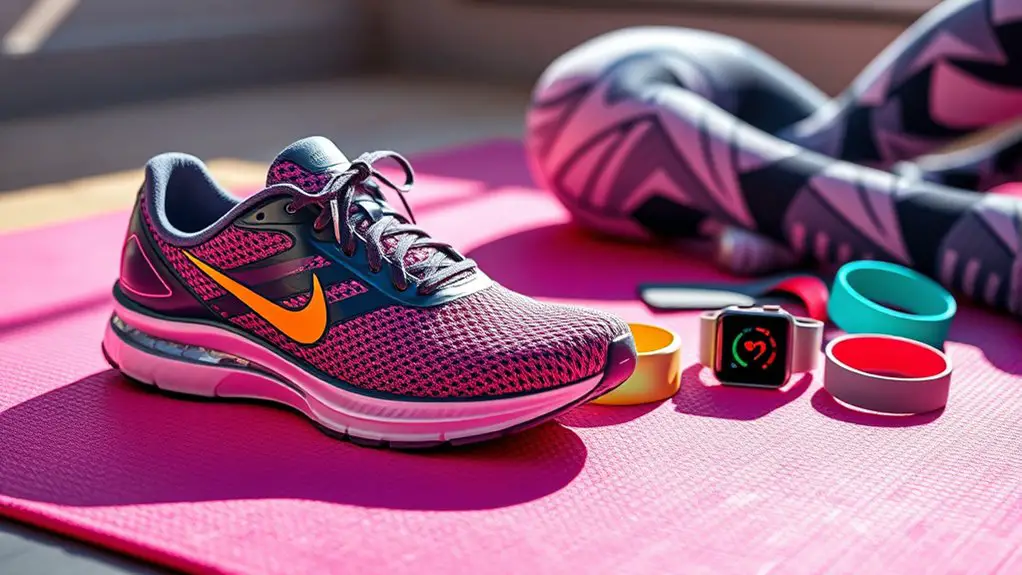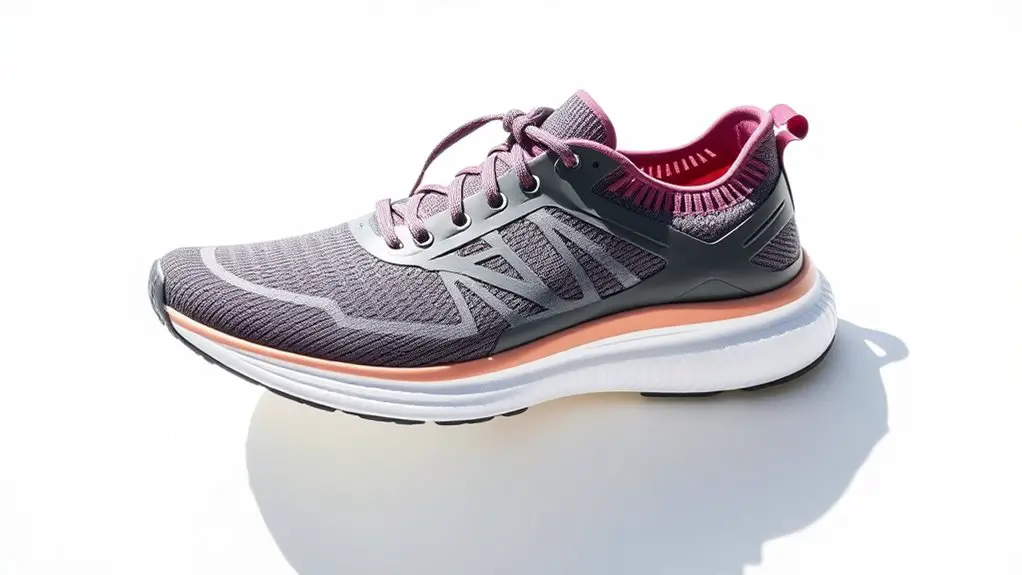
Choosing the best cleats depends on your sport's unique demands. Consider traction and ankle support for soccer and football, while lightweight options are ideal for running. Focus on fit and comfort to prevent injuries and enhance performance. Materials matter too; look for durability and waterproof features if needed. Finally, don't neglect maintenance to prolong your cleats' life. To find the perfect pair, keep exploring the specific features that match your game.
Understanding the Unique Demands of Each Sport
When you're choosing cleats, it's crucial to understand the unique demands of each sport, as different activities require specific features for best performance. Whether you're sprinting on a track, cutting across a soccer field, or driving on a football gridiron, the right cleats can set you free to focus on what you love.
For example, soccer cleats need to provide excellent traction and agility, allowing quick changes in direction. In contrast, football cleats often have a higher ankle for added support, perfect for tackling and sprinting. If you're into running, lightweight cleats with minimal traction can enhance your speed on the track. Additionally, selecting the right type of firm ground cleats can significantly improve your game on natural grass surfaces.
Understanding these nuances helps you select the right footwear, ensuring you maximize your potential while enjoying the freedom of movement. Take the time to reflect on your sport's unique requirements, and you'll find cleats that help you perform at your best.
Key Features to Look for in Cleats
When choosing cleats, you should focus on a few key features to guarantee you make the right choice. Consider the material and durability, as well as the traction and grip they offer on your playing surface. Don't forget about fit and comfort, since a good pair can make all the difference in your performance.
Material and Durability
Choosing the right material for your cleats is essential for ensuring both performance and longevity on the field. Look for lightweight materials like synthetic leather or mesh that provide breathability without sacrificing support. If you prefer a more traditional feel, genuine leather offers durability and a comfortable fit, though it may require a break-in period.
Don't overlook the importance of waterproof options if you often play in wet conditions; these can help keep your feet dry and comfortable. Pay attention to the stitching and construction as well—reinforced seams often indicate a more durable build. Ultimately, investing in high-quality materials will give you the freedom to focus on your game without worrying about your gear falling apart.
Traction and Grip
After ensuring you have the right materials for your cleats, the next key aspect to contemplate is traction and grip. You want to be able to move freely without worrying about slipping or losing your footing. Here are three essential features to look for:
- Stud Pattern: Different sports require different stud configurations. Make sure the pattern suits your playing surface, whether it's firm ground, soft ground, or turf.
- Material of the Studs: Rubber or plastic can offer good grip on turf, while metal studs provide better traction on grass.
- Sole Flexibility: A flexible sole allows for better ground adaptation, enhancing your grip during quick movements.
Choose wisely, and you'll feel the freedom to focus on your game!
Fit and Comfort
Finding the right fit and comfort in cleats is essential for optimizing your performance on the field. You want cleats that feel like an extension of your body, allowing you to move freely without any restrictions. Start by considering the width and length—too tight, and you'll be distracted; too loose, and you risk injury. Look for cushioned insoles that provide support and shock absorption, especially for those hard impacts. A good heel lock keeps your foot secure, preventing slippage during quick cuts. Also, don't forget about breathability; materials that allow airflow can keep your feet cool and comfortable. Ultimately, your cleats should empower you to express your skills without any discomfort holding you back.
The Importance of Fit and Comfort
When it comes to selecting the right cleats, ensuring a proper fit and comfort is essential for ideal performance. You want to feel free and confident while playing, and the right cleats can make all the difference. Here are three key reasons why fit and comfort matter:
- Enhanced Performance: Well-fitting cleats support your feet, allowing you to move quickly without any discomfort or distraction.
- Injury Prevention: Ill-fitting cleats can lead to blisters, foot pain, and even serious injuries. Comfort reduces the risk of these issues, so you can focus on the game.
- Confidence Boost: When your feet feel good, your confidence soars. You'll be able to play your best and release your true potential.
Material Choices: Which Is Best for You?
Which material should you choose for your cleats? This decision can greatly affect your performance and comfort on the field. Leather is a classic choice, offering durability and a snug fit that molds to your foot over time. If you value breathability and lightweight performance, synthetic materials might be your best bet. They often provide a more flexible fit and can be more affordable, too.
Consider your playing style and the conditions you'll face. For wet or muddy terrains, a water-resistant material can keep your feet dry and comfortable. On the other hand, if you're after a sleek, modern look, lightweight synthetics can give you that edge without sacrificing performance. Ultimately, choose a material that aligns with your needs and enhances your freedom to move. Your cleats should empower you to play your best, so make sure they fit your personal style and sport.
Traction Types and Their Impact on Performance
When it comes to choosing cleats, understanding traction types can greatly impact your performance. Different stud patterns offer varying levels of grip, and matching them to the playing surface is essential. You'll want to find a balance between traction and stability to enhance your game.
Stud Patterns Explained
Understanding stud patterns is essential for maximizing your performance on the field, as these designs directly influence traction and stability. Choosing the right pattern can make a huge difference in how you maneuver during play. Here are three key factors to evaluate:
- Shape: Different shapes provide varied grip levels. Bladed studs offer a sharp bite, while round studs allow for smoother pivots.
- Length: Longer studs dig deeper into the ground, giving better traction in soft conditions, whereas shorter studs are ideal for firm surfaces.
- Arrangement: A strategic layout can enhance balance. Some patterns focus on acceleration, while others prioritize lateral movement.
Surface Compatibility Matters
Choosing the right cleats requires more than just a focus on stud patterns; surface compatibility plays a significant role in your overall performance. Different sports demand specific traction types based on the playing surface. For grass fields, longer, conical studs provide grip without compromising your ability to pivot. On the other hand, turf requires shorter, more numerous studs for stability and quick movements.
If you're hitting the track, flat soles might be your best bet for speed. Ignoring surface compatibility can lead to slips or excessive strain on your joints. So, take a moment to reflect on where you'll be playing. Choosing the right cleats for the surface isn't just about performance; it's about freedom to play your game without limitations.
Traction and Stability Balance
Finding the right balance between traction and stability can greatly enhance your performance on the field or court. You need cleats that offer the right grip while allowing you to move freely. Here are three key traction types to contemplate:
- Studs: Ideal for soft ground, they dig in and provide excellent grip during quick movements.
- Turf: Designed for synthetic surfaces, these have smaller, closely spaced studs that offer stability without sacrificing freedom of movement.
- Flat Sole: Great for indoor sports, they give you a stable base and allow for quick direction changes.
Choosing the right type guarantees you have the grip you need, enabling quick pivots and explosive sprints without feeling restricted. Enjoy the freedom to release your full potential!
Maintenance Tips for Longevity of Your Cleats
Although you might be tempted to toss your cleats in the corner after a game, taking the time to properly maintain them can greatly extend their lifespan. Start by removing mud and dirt right after play; a soft brush or damp cloth works wonders. Be certain to air them out to prevent moisture buildup, which can lead to odors and deterioration.
You should also check the laces and soles for wear. If they're frayed or damaged, replace them promptly to guarantee peak performance. Storing your cleats in a cool, dry place is essential; avoid leaving them in your car or a damp environment.
Lastly, consider using a waterproof spray for added protection against the elements. With just a little effort, you can keep your cleats looking fresh and performing at their best, allowing you to enjoy your game without worries. Freedom on the field starts with well-maintained gear!
Frequently Asked Questions
Can I Use Soccer Cleats for Football?
Did you know that 70% of athletes prefer sport-specific footwear? While you can use soccer cleats for football, they may not provide the traction or ankle support you need. It's best to choose cleats designed for football.
How Often Should I Replace My Cleats?
You should replace your cleats when they show significant wear, lose traction, or cause discomfort. Generally, every season or after 300-500 miles is a good rule of thumb, but trust your own comfort and performance needs.
Are Expensive Cleats Always Better?
Expensive cleats aren't always better; sometimes, they're just overpriced. You should focus on fit and comfort instead. Quality can vary, so try different options to find what truly suits your style and performance needs.
Do Cleat Colors Affect Performance?
Cleat colors don't directly affect performance, but they can influence your confidence and mindset. If you feel good in your gear, you're more likely to perform at your best. So, choose what inspires you!
Can I Customize My Cleats for Better Fit?
Absolutely, you can customize your cleats for a better fit! Consider using insoles, adjusting lacing techniques, or even adding custom straps. It's all about finding what makes you feel comfortable and confident on the field.