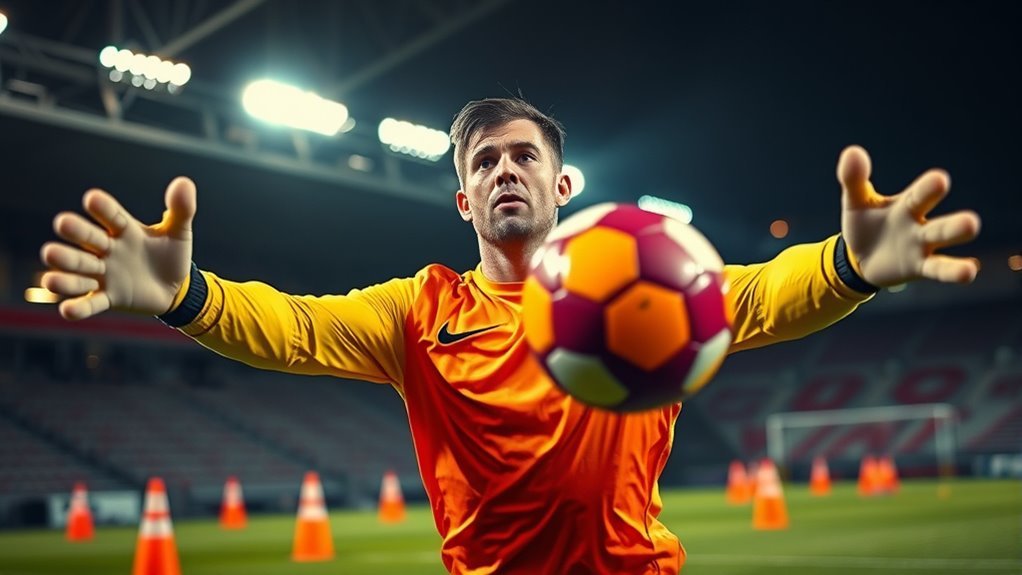
Reaction drills are key for goalkeepers because they sharpen your reflexes, enhance decision-making skills, and improve agility. With quick reactions, you can make game-winning saves instead of missing opportunities. Drills like partner throws and cone drills boost your coordination and speed. These exercises help you process information faster and trust your instincts in high-pressure situations. Want to know how to effectively incorporate these drills into your training? There's more to discover about maximizing your performance.
Understanding the Role of a Goalkeeper
While many fans focus on the strikers, the goalkeeper's role is just as essential in any match. You're not just a last line of defense; you're a leader on the field, orchestrating your team's movements and communicating with defenders. Every save you make can shift the momentum of the game, inspiring your teammates and frustrating the opposition. You hold the power to change the outcome, and that's a liberating responsibility. Your positioning, decision-making, and anticipation can elevate your team's performance. It's not just about stopping the ball; it's about reading the game, understanding your opponents, and embracing the challenge. In your hands lies the freedom to control the pace and direction of the match, making your role pivotal and dynamic.
The Importance of Quick Reflexes
Quick reflexes are essential for goalkeepers, as they can mean the difference between a save and a goal. In the fast-paced world of soccer, every split second counts. When an opponent takes a shot, you need to react instinctively. It's not just about being in the right position; it's about having the agility to dive, jump, or shift your weight in an instant. Quick reflexes allow you to anticipate plays, making you a formidable presence in the net. They enhance your confidence, knowing you can handle whatever comes your way. By honing your reflexes through targeted practice, you'll not only improve your performance but also enjoy the freedom that comes with being a skilled, reliable guardian of the goal.
Types of Reaction Drills
To sharpen your reflexes, incorporating a variety of reaction drills into your training is essential. These drills not only enhance your speed but also your agility on the field. Here are some effective types of reaction drills you can try:
| Drill Type | Description | Purpose |
|---|---|---|
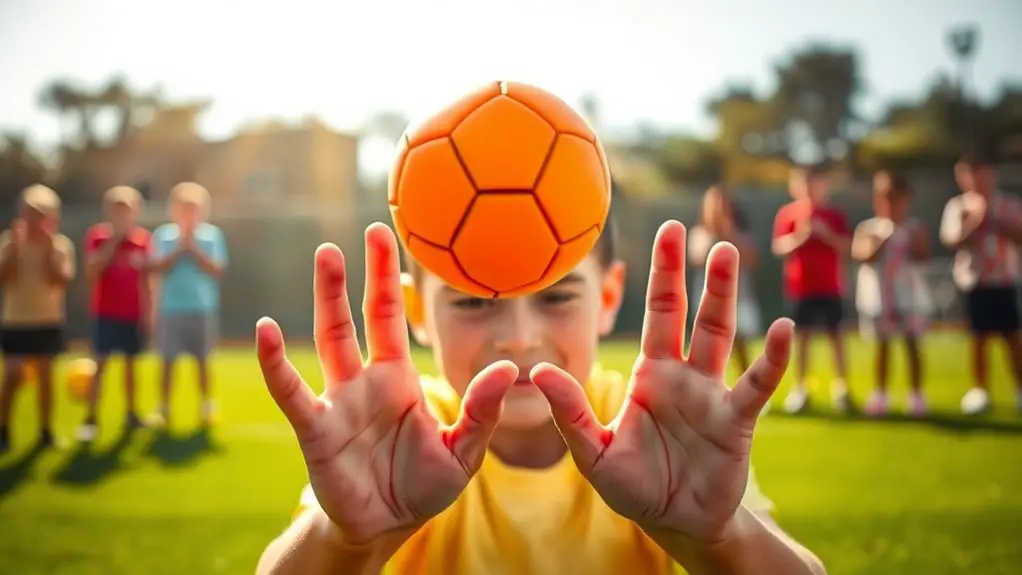
| Reaction Ball | Use a reaction ball for unpredictability | Improves hand-eye coordination |
| Partner Throws | Have a partner throw balls at you from different angles | Enhances lateral movement |
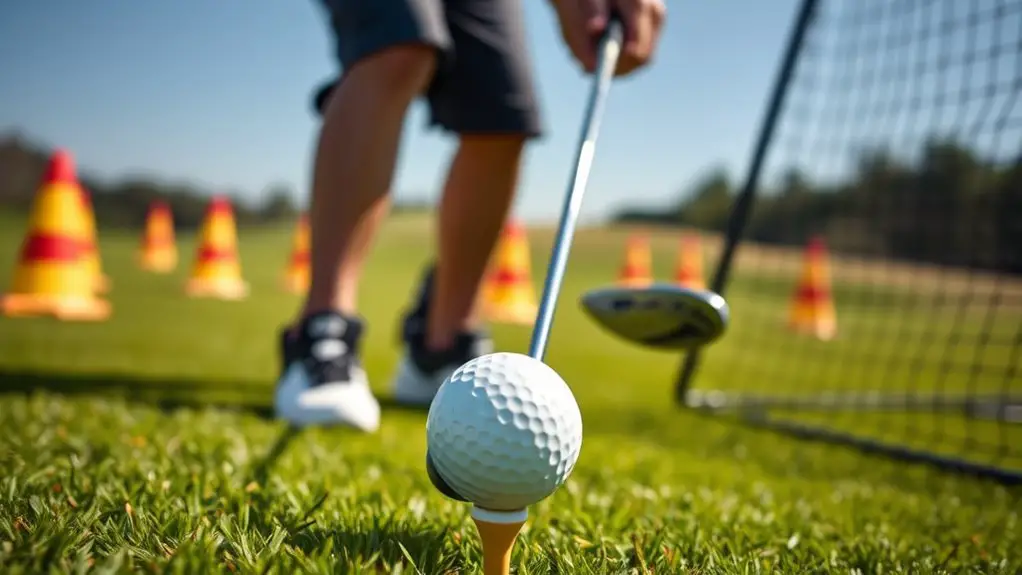
| Cone Drills | Set up cones and react to a coach's command | Boosts agility and quickness |
| Juggling | Keep multiple balls in the air | Develops focus and balance |
| Visual Cues | Respond to colored lights or signals | Trains cognitive reaction |
Mix these drills in your practice to stay sharp and ready!
Enhancing Decision-Making Skills
As you hone your skills as a goalkeeper, enhancing your decision-making abilities becomes essential for success on the field. Quick and accurate decisions can make the difference between a save and a goal. By practicing reaction drills, you'll train your brain to process information rapidly, allowing you to assess situations and choose the best response instinctively. When faced with an opponent's shot or a teammate's pass, your ability to decide whether to dive, stay put, or communicate will dictate your effectiveness. Trusting your instincts is key; the more you expose yourself to various scenarios, the more confident you'll become in your choices. Embrace the freedom to make bold decisions, and watch your performance elevate.
Simulating Game Scenarios
Practicing reaction drills can markedly enhance your ability to simulate game scenarios, making training more effective and realistic. These drills empower you to respond to unpredictable situations, just like in a match. Here are some essential aspects to focus on:
- Positioning: Improve your ability to quickly adjust your stance based on the incoming shot.
- Anticipation: Sharpen your instinct to predict players' movements and shot trajectories.
- Decision-making: Boost your capacity to choose the right response under pressure, whether it's to dive, parry, or catch.
Improving Agility and Coordination
While every goalkeeper knows the importance of quick reflexes, improving agility and coordination is just as essential for making those game-winning saves. You need to move fluidly across the goal, shifting your weight and positioning without hesitation. Reaction drills can help you develop these skills by challenging your body to respond swiftly and accurately. Incorporate lateral movements, jumps, and quick turns into your training routine. Use cones or hurdles to create obstacles that force you to adapt and change direction on a dime. By honing your agility and coordination, you'll not only enhance your reaction time but also boost your confidence in handling unpredictable shots. Embrace the freedom that comes with being a dynamic, agile keeper.
Measuring Progress and Performance
To effectively gauge your improvement as a goalkeeper, it's crucial to track your progress and performance over time. This not only helps you stay motivated but also allows you to pinpoint areas for growth. Here are a few key methods to measure your development:
- Video Analysis: Record your drills and match performances. Reviewing footage can reveal strengths and weaknesses you might overlook.
- Statistical Tracking: Keep a record of saves made, reactions times, and errors during training and games. Numbers don't lie.
- Self-Reflection: After each session, take a moment to assess your performance mentally. What felt good? What needs work?
Incorporating Reaction Drills Into Training Regimens
Incorporating reaction drills into your training regimen can considerably enhance your performance as a goalkeeper. You don't need to stick to the same old routine; mix it up! Start with simple exercises like catching balls from different angles, then progress to more complex drills involving unpredictable movements. Using tools like reaction balls or partner drills can keep things fresh and exciting. Remember, it's all about improving your instincts and agility. Focus on the quality of each drill, rather than the quantity. Embrace the challenge and push your limits, but also allow for some fun. The more you enjoy the process, the more you'll grow. So, be creative, stay engaged, and watch your skills soar!
Frequently Asked Questions
How Often Should Reaction Drills Be Practiced Weekly?
Ever wonder how often you should practice reaction drills? Aim for three to four times a week. Consistency's the secret sauce to honing your skills and achieving that freedom on the field you crave.
Can Reaction Drills Prevent Injuries for Goalkeepers?
Yes, reaction drills can help prevent injuries for goalkeepers. They enhance your agility and awareness, allowing you to respond quickly, reducing the risk of awkward falls or collisions during intense game situations. Stay sharp!
What Age Is Ideal to Start Reaction Drills?
You can start reaction drills as early as 8 years old. At this age, kids can develop essential skills and coordination, setting a strong foundation for their future success in the sport. Enjoy the journey!
Are There Specific Drills for Different Goalkeeper Styles?
About 60% of successful saves rely on quick reflexes. Depending on your style—aggressive, conservative, or dynamic—tailored drills can enhance your strengths, giving you the freedom to express your unique abilities on the field.
How Do Reaction Drills Benefit Mental Toughness?
Reaction drills sharpen your focus and decision-making under pressure, building mental resilience. They help you embrace challenges, adapt quickly, and enhance your confidence, ultimately allowing you to perform freely and effectively when it matters most.