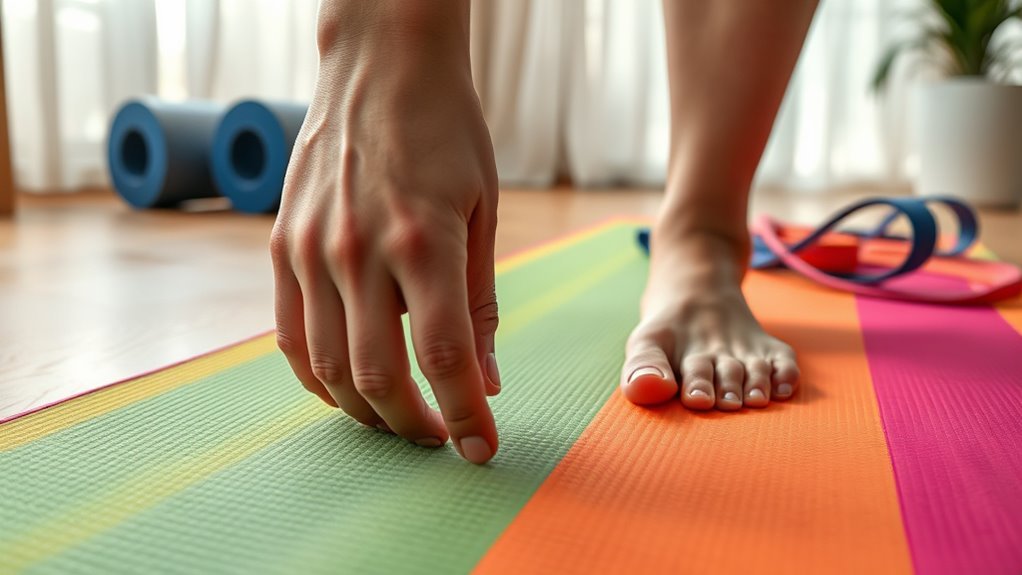
To prevent stiffness, incorporate daily mobility exercises into your routine. Focus on movements that enhance flexibility, like shoulder stretches, hip openers, and gentle torso twists. Aim for consistency by scheduling short sessions throughout your day. Listen to your body—modify exercises if you feel discomfort and rest if necessary. With dedication, you'll improve your range of motion and reduce stiffness. Keep exploring effective strategies to enhance your mobility and overall well-being.
Understanding Mobility and Its Importance
Mobility is the foundation of physical health and everyday movement. It's all about how easily you can move your body and how well your joints function. When you've got good mobility, you feel free to explore your surroundings, whether it's hiking a trail or simply bending down to tie your shoes. You don't want stiffness holding you back from doing what you love.
Understanding mobility means recognizing its role in maintaining a healthy lifestyle. It's not just about flexibility; it's about strength and coordination, too. You can enhance your range of motion, reduce the risk of injury, and improve your overall performance in daily activities. Additionally, mobility training increases flexibility and encourages exploration of various movement techniques for improved body control.
Embracing mobility gives you the freedom to live life fully. You'll find that when you prioritize movement, you open up new experiences and opportunities, making every moment more enjoyable. So, let's plunge into the importance of keeping your body moving and thriving!
Benefits of Daily Mobility Exercises
Daily mobility exercises can greatly enhance your flexibility and range of motion, making everyday activities easier. By incorporating these exercises into your routine, you also lower your risk of injuries, keeping you active and pain-free. Additionally, prioritizing mobility training can reveal your athletic potential and allow for greater expression in your daily movements. Let's explore how these benefits can improve your overall well-being.
Enhanced Flexibility and Range
While you might not think about it often, enhancing your flexibility and range of motion can considerably impact your overall physical performance and daily activities. When you engage in daily mobility exercises, you're not just improving your flexibility; you're revealing a new level of freedom in your body. Here are some benefits you can enjoy:
- Better posture and alignment
- Increased ease in movement
- Enhanced athletic performance
- Greater comfort during everyday tasks
- Reduced muscle tension and discomfort
Injury Prevention Benefits
Improving your flexibility not only enhances your overall performance but also plays a significant role in preventing injuries. When you incorporate daily mobility exercises, you're preparing your muscles and joints for movement, reducing the risk of strains and sprains. By increasing blood flow to your muscles, you promote recovery and resilience, allowing you to enjoy your activities without the fear of setbacks. Additionally, these exercises help maintain proper alignment and posture, which are essential for avoiding overuse injuries. With consistent practice, you'll find yourself moving more freely and confidently, embracing every adventure life throws your way. So, release your body's potential, and let daily mobility exercises be your secret weapon for injury prevention and lasting freedom.
Basic Principles of Effective Mobility Training
To achieve effective mobility training, it's essential to understand a few key principles that guide your practice. These principles not only enhance your flexibility but also empower you to move freely and confidently in your daily life.
- Consistency: Make mobility exercises a daily habit for lasting results.
- Variety: Incorporate different movements to target all major joints and muscle groups.
- Mindfulness: Focus on your body's sensations during exercises to prevent injury and improve effectiveness.
- Breath: Use deep, controlled breathing to enhance relaxation and range of motion.
- Progression: Gradually increase intensity or complexity to challenge your body and promote growth. Embracing rest days is key to accessing true potential in your overall training regimen.
Warm-Up Techniques to Enhance Mobility
Before diving into your mobility exercises, warming up properly is essential for preparing your body and preventing injury. Start with light cardio, like brisk walking or jogging for about five to ten minutes. This gets your blood flowing and loosens your muscles. Next, incorporate dynamic stretches, such as arm circles and leg swings. These movements increase your range of motion and activate your joints.
Don't forget to focus on your breathing; deep inhalations help relax your body. Gradually increase the intensity of your movements, allowing your body to adapt. You might also consider foam rolling to release muscle tension and improve circulation. Staying hydrated is also crucial, as hydration supports optimal performance and helps avoid stiffness during mobility exercises.
Finally, listen to your body—if something feels off, adjust your warm-up accordingly. By taking the time to warm up, you're setting yourself up for success, enhancing your mobility, and enabling greater freedom in your movements throughout the day.
Essential Mobility Exercises for the Upper Body
When it comes to upper body mobility, incorporating shoulder stretch techniques and upper back mobility movements is key. These exercises not only improve flexibility but also enhance your overall range of motion. Core strength plays a vital role in maintaining stability during these movements, ensuring you perform them safely and effectively. Let's explore how you can easily integrate these essential movements into your routine.
Shoulder Stretch Techniques
Although you might not realize it, tight shoulders can greatly impact your daily activities and overall comfort. Incorporating shoulder stretch techniques into your routine can help release tension and enhance mobility. Here are some effective stretches you can try:
- Cross-Body Stretch: Pull one arm across your chest, feeling the stretch in your shoulder.
- Overhead Stretch: Reach both arms overhead and lean to one side, then the other.
- Wall Angels: Stand against a wall and slide your arms up and down in a "W" to "Y" motion.
- Doorway Stretch: Place your hands on either side of a doorframe and lean forward gently.
- Shoulder Rolls: Roll your shoulders forward and backward in a circular motion.
These simple moves can provide the freedom you desire!
Upper Back Mobility Movements
To maintain a healthy upper body, it's essential to incorporate upper back mobility movements into your daily routine. These exercises can help you access your potential and enjoy greater freedom in your movements. Here are some effective mobility exercises to get you started:
| Exercise | Description |
|---|---|
| Cat-Cow Stretch | Alternate arching and rounding your back. |
| Thoracic Rotations | Rotate your upper body side to side. |
| Wall Angels | Slide your arms up and down a wall. |
| Seated Twist | Sit tall and twist gently to each side. |
Essential Mobility Exercises for the Lower Body
Essential Mobility Exercises for the Lower Body
Incorporating essential mobility exercises for the lower body can greatly enhance your overall flexibility and strength. These movements can help you feel more liberated, allowing you to enjoy life without the constraints of stiffness. Here are five key exercises you can easily add to your routine:
- Hip Circles: Stand on one leg and move the other leg in small circles to improve hip mobility.
- Leg Swings: Swing your leg forward and backward, keeping your core engaged for balance.
- Lunging Hip Flexor Stretch: Lunge forward and gently push your hips down to stretch the hip flexors.
- Ankle Dorsiflexion: Stand and lift your toes while keeping your heels on the ground to enhance ankle flexibility.
- Seated Forward Bend: Sit with legs extended and reach for your toes to stretch your hamstrings.
Incorporating these exercises can also contribute to increased flexibility and mobility, which enhances your swimming strokes and reduces body strain.
Incorporating Mobility Exercises Into Your Daily Routine
Adding mobility exercises to your daily routine can greatly improve your flexibility and overall well-being. Finding moments throughout your day to incorporate these movements can lead to a more liberated and pain-free lifestyle. Here's a simple table to help you integrate mobility work seamlessly:
| Time of Day | Mobility Exercise |
|---|---|
| Morning | Dynamic stretches (5 mins) |
| Midday | Torso twists (3 mins) |
| Afternoon | Hip openers (5 mins) |
| Evening | Seated forward bends (5 mins) |
| Before Bed | Gentle neck stretches (3 mins) |
Incorporating these movements can also enhance muscle recovery and relieve tension, promoting better movement.
Tips for Staying Consistent With Mobility Work
Although it might be challenging to stay consistent with mobility work, establishing a few simple habits can make a significant difference. Here are some tips to help you maintain that freedom of movement you crave:
Staying consistent with mobility work can be tough, but simple habits can lead to significant improvements in your movement.
- Schedule it: Treat your mobility session like an important appointment. Set a specific time each day.
- Start small: Begin with just a few minutes a day. Gradually increase your time as it becomes a habit.
- Mix it up: Incorporate different exercises to keep things fresh and fun. Variety keeps you engaged!
- Buddy up: Find a friend to join you. Working out together can boost motivation and accountability.
- Celebrate progress: Acknowledge even the smallest improvements. This positive reinforcement can inspire you to keep going. Remember, proper warm-ups and stretching are crucial for preventing injuries and maintaining flexibility.
Listening to Your Body: When to Modify or Rest
Listening to your body is essential for effective mobility work, especially when you feel discomfort or fatigue. It's important to recognize when to push through and when to take a step back. Modifying your routine or resting can prevent injuries and enhance your overall progress.
| Signs to Modify | Signs to Rest |
|---|---|
| Mild discomfort | Sharp pain |
| Slight fatigue | Extreme fatigue |
| Reduced range of motion | Persistent soreness |
If you notice any of the signs to modify, adjust your exercises to suit your current capability. However, if you encounter signs to rest, don't hesitate to take a break. Your body knows best, and respecting its signals will lead to freedom in movement and a more enjoyable mobility journey. Embrace this intuitive approach, and you'll find your routine becomes both effective and sustainable. Additionally, prioritizing proper nutrition can play a significant role in enhancing your recovery and overall mobility.
Frequently Asked Questions
Can Mobility Exercises Improve My Athletic Performance?
Yes, mobility exercises can enhance your athletic performance. They increase flexibility, improve range of motion, and help prevent injuries, allowing you to move freely and efficiently. Incorporating them into your routine can make a significant difference.
How Long Should Each Mobility Session Last?
Each mobility session should last around 10 to 20 minutes. That way, you can focus on improving flexibility and range without feeling rushed. Just remember, consistency is key for lasting benefits and freedom of movement!
Are There Age Restrictions for Mobility Exercises?
Oh, sure, age restrictions exist! Just kidding! Anyone can benefit from mobility exercises, regardless of age. It's all about listening to your body and embracing the freedom to move. So, get started today!
Can I Do Mobility Exercises While Recovering From an Injury?
Yes, you can do mobility exercises while recovering from an injury, but it's essential to listen to your body. Start gently, focus on pain-free movements, and consult a professional if you have any concerns.
What Equipment Do I Need for Mobility Exercises?
For mobility exercises, you don't need much. A yoga mat, resistance bands, and perhaps a foam roller can enhance your routine. Just make sure you've space to move freely and comfortably as you stretch.