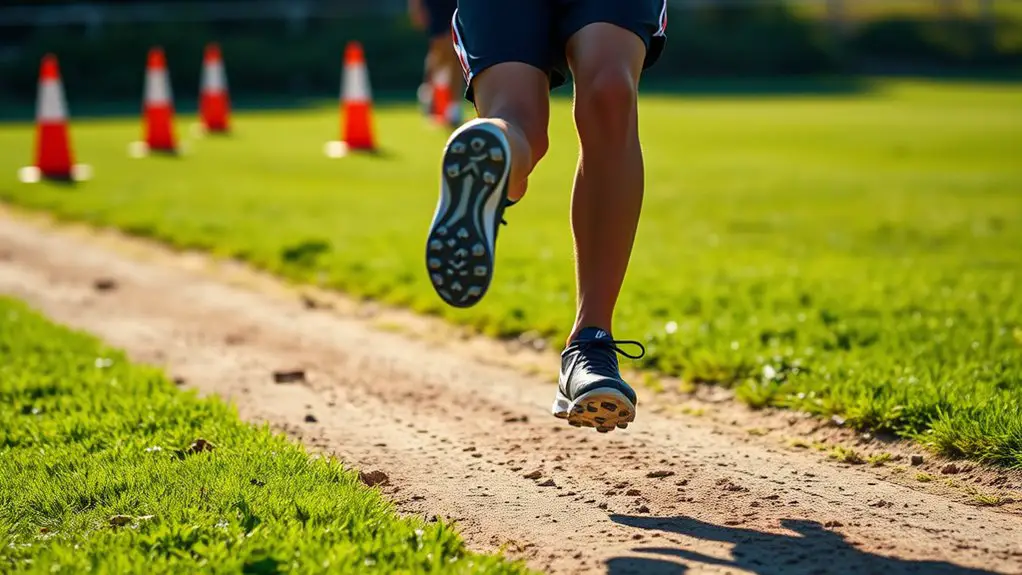
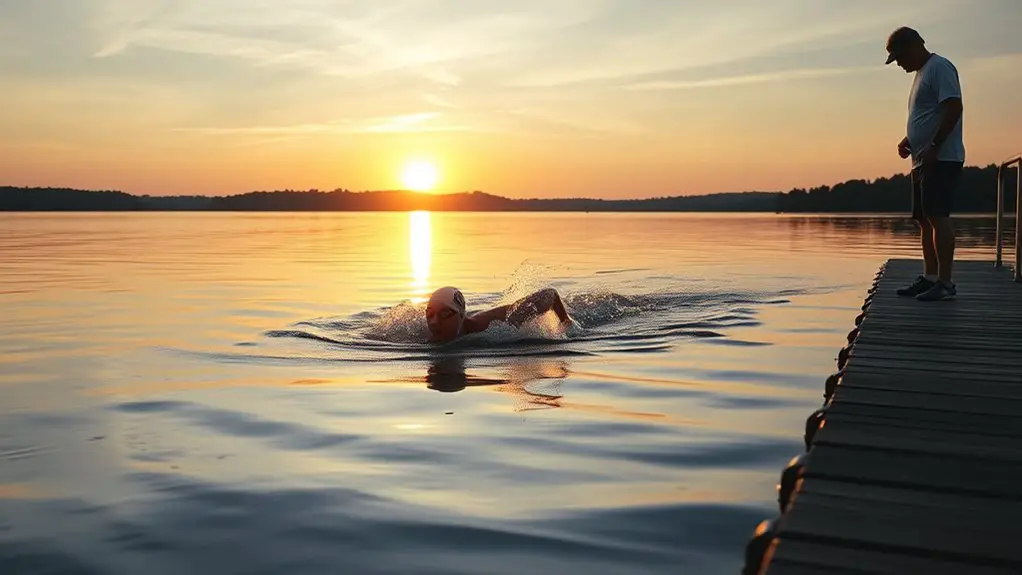
Water resistance training is your best bet for enhancing performance in adventure sports. It boosts muscle endurance, builds functional strength, and helps with balance and coordination while reducing injury risks. Equip yourself with water shoes, resistance bands, and aqua dumbbells to maximize your workouts. Incorporate exercises like water jogging, swimming laps, and plyometrics for a well-rounded routine. If you're keen to learn more about optimizing your training program, you'll find valuable insights ahead.
Benefits of Water Resistance Training for Adventure Sports
When you engage in water resistance training, you're not just enhancing your strength; you're also boosting your overall performance in adventure sports. This unique training method allows you to harness the natural resistance of water, making every movement more challenging and effective. As you push through the water, you'll notice improved muscle endurance, which is essential for long hikes, climbing, or kayaking.
The buoyancy of water reduces the risk of injury, allowing you to train hard without the usual wear and tear. You'll build functional strength that translates directly to your adventures, enabling you to tackle obstacles with confidence. Plus, the cooling effects of water keep you comfortable, so you can focus on pushing your limits.
With regular practice, you'll find your agility, balance, and coordination greatly improve—key elements for any adventurer seeking freedom in the wild. Embrace water resistance training, and watch your outdoor escapades soar to new heights!
Essential Equipment for Effective Training
To get the most out of your water resistance training, having the right equipment is essential. The right gear not only enhances your workout but also keeps you comfortable and focused on your adventure spirit. Here's what you'll need:
Having the right equipment is crucial for maximizing your water resistance training and enhancing your workout experience.
- Water Shoes: A pair of sturdy water shoes gives you grip and protection, allowing you to navigate any terrain with ease.
- Resistance Bands: These are versatile tools that can add extra resistance to your movements, helping to build strength and endurance.
- Aqua Dumbbells: Lightweight and easy to handle, aqua dumbbells are perfect for strength training while floating in the water.
- Kickboard: This simple tool helps isolate your legs, letting you focus on kicking techniques while providing buoyancy.
With this essential equipment, you'll be ready to release your full potential and embrace the freedom that water resistance training offers!
Top Aquatic Exercises to Boost Performance
Incorporating a variety of aquatic exercises into your training regimen can considerably enhance your performance in adventure sports. Start with water jogging; it mimics running but with less impact, making it fantastic for building endurance. Next, try swimming laps with different strokes. This not only boosts cardiovascular fitness but also engages various muscle groups, increasing overall strength.
Don't forget about water plyometrics—jumping off the pool floor and landing softly can improve your explosive power. Aqua resistance training, like using water dumbbells, helps build muscle without the strain of traditional weights.
Lastly, consider practicing yoga or Pilates in the water. The buoyancy allows for deeper stretches and enhances flexibility, which is essential for those adventurous maneuvers. By mixing these exercises into your routine, you'll feel stronger, more agile, and ready to embrace the freedom of the wild!
Incorporating Resistance Bands Into Your Workout
Water exercises can lay a strong foundation for strength training, and adding resistance bands can take your workout to the next level. These versatile tools amplify your efforts, letting you explore new dimensions of strength and endurance while enjoying the freedom of the water. Here's how to incorporate resistance bands into your aquatic routine:
- Upper Body Strength: Use bands for bicep curls and tricep extensions, feeling the resistance as you push and pull.
- Core Engagement: Strap the band to a stable point and do rotational exercises for a solid core that supports all your adventures.
- Leg Power: Attach bands around your ankles and perform lateral leg lifts to enhance stability and agility.
- Dynamic Stretching: Incorporate bands for stretching exercises, improving flexibility and range of motion. Additionally, using resistance bands can enhance muscle activation, allowing you to maximize the effectiveness of your workouts.
Designing a Customized Water Resistance Training Program
Creating a customized water resistance training program can greatly enhance your performance in adventure sports, especially when you tailor exercises to your specific needs and goals. Start by identifying your primary sport and the skills you want to improve. For instance, if you're into kayaking, focus on upper body strength and endurance.
Next, choose exercises that mimic the movements in your sport. Incorporate drills like water sprints or resistance band pulls. Don't forget to mix in core workouts, as a strong core supports your overall performance.
Set a schedule that balances intensity with recovery, allowing your body to adapt and grow stronger. Keep track of your progress; adjust your program as you improve or as your goals shift.
Lastly, embrace the freedom of being in the water—let it fuel your passion for adventure and exploration. Your customized program is your path to revealing new heights in your sport!
Frequently Asked Questions
How Often Should I Train With Water Resistance for Optimal Results?
You wouldn't want to train too often, right? Just kidding! Aim for 2-3 times a week. Consistency's key, but don't forget to let yourself enjoy freedom and rest between those water sessions.
Can Water Resistance Training Prevent Injuries in Adventure Sports?
Water resistance training can definitely help prevent injuries in adventure sports. It strengthens muscles, improves flexibility, and enhances balance. By incorporating it into your routine, you'll enjoy a safer, more exhilarating experience out in the wild.
What Is the Best Water Temperature for Resistance Training?
Studies show that water resistance training at around 80°F can boost your performance. You'll find the right temperature helps your muscles relax while providing enough resistance, giving you the freedom to push your limits comfortably.
Are There Specific Techniques to Improve Breath Control During Water Workouts?
To improve breath control during water workouts, try practicing rhythmic breathing, using a snorkel, or incorporating interval training. Focus on exhalation while submerged; it'll enhance your comfort and efficiency in the water. Enjoy your freedom!
How Can I Track My Progress in Water Resistance Training?
To track your progress in water resistance training, keep a journal detailing workouts, times, and techniques. You could also use a waterproof fitness tracker to monitor your heart rate and swim distances effectively.