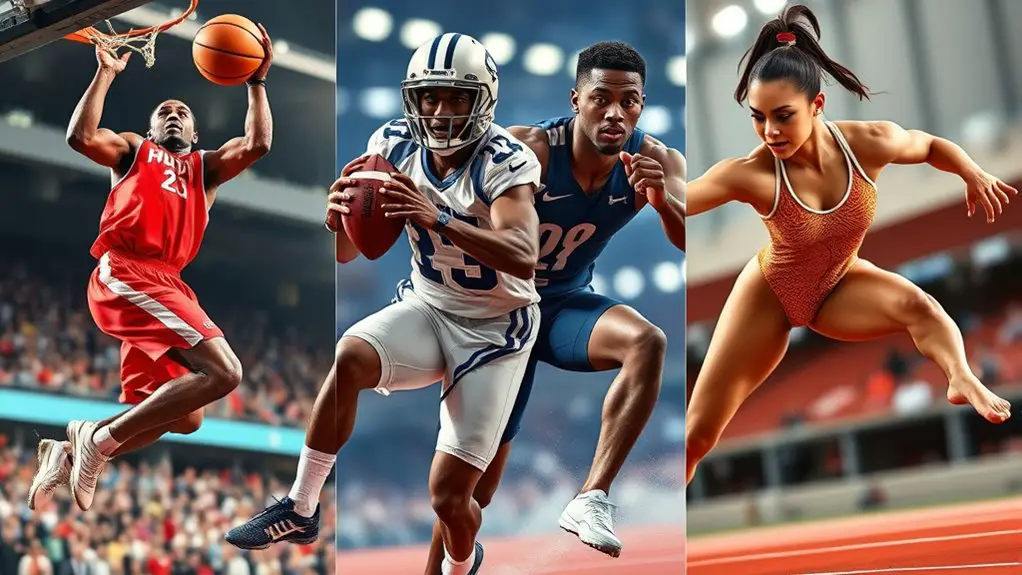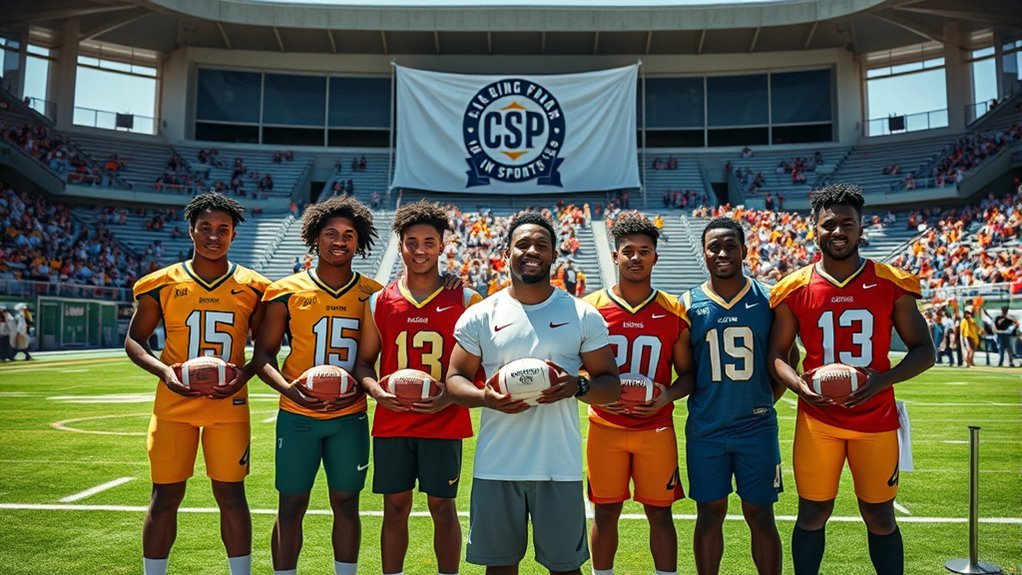
Yes, college athletes can now get paid through Name, Image, and Likeness (NIL) rights, which allow them to sign endorsements and partnerships. These recent legal changes have given athletes the chance to monetize their social media presence and personal brands. While some argue for broader compensation due to the revenue generated by college sports, others raise concerns about amateur status and educational focus. If you’re curious about the full landscape of this topic, there’s much more to explore.
The Current Landscape of College Sports
As college sports continue to grow in popularity, the debate over whether athletes should be paid intensifies. You see, college programs generate massive revenue through ticket sales, broadcasting rights, and sponsorships, yet many athletes only receive athletic scholarships. These scholarships, while valuable, don’t fully compensate for the immense profits their talents help create. The landscape of college sports is shifting, as more fans and advocates argue that athletes deserve a share of the wealth they generate. It’s not just about fairness; it’s about recognizing the hard work, dedication, and sacrifices these athletes make. As the conversation evolves, you’ll find that the push for athletes’ rights is gaining momentum, challenging traditional norms and advocating for a more equitable future in collegiate athletics.
Financial Impact of College Athletes
The financial impact of college athletes extends far beyond their scholarships. You might not realize it, but these athletes drive significant revenue through ticket sales, merchandise, and broadcasting rights, creating a system ripe with sponsorship opportunities. While they hustle on the field, universities and athletic programs often reap the rewards, leaving many athletes feeling undervalued. This creates economic disparities, as some sports generate millions, while others receive little to no funding. You’ve got to contemplate how this system affects athletes’ futures. They deserve a fair share of the profits they help generate, and recognizing their financial contributions can lead to a more equitable landscape. The call for change is growing louder, and it’s time to rethink how college sports operate.
Legal Considerations for Athlete Compensation
While many people support paying college athletes, maneuvering the legal landscape around athlete compensation can be complex. You’ll need to understand the contractual obligations that come into play, as agreements with schools and sponsors can limit your options. Regulatory frameworks also play an important role, often dictating what you can and can’t do financially. These laws vary by state and can change quickly, so staying informed is essential. If you want to pursue compensation, you must navigate these legal waters carefully, ensuring you’re compliant with all regulations. Ignoring these considerations could jeopardize your eligibility and future opportunities. Ultimately, understanding the legal environment empowers you to advocate for your rights as an athlete, giving you a clearer path toward freedom and compensation.
The Role of Name, Image, and Likeness (NIL)
Maneuvering the legal landscape is just the beginning when it comes to athlete compensation; understanding the role of Name, Image, and Likeness (NIL) is pivotal. With recent changes, you’ve got exciting NIL opportunities at your fingertips. You can now leverage your social media presence to create brand partnerships and attract sponsorship deals. These avenues empower you to monetize your market value like never before. Athlete endorsements can provide significant financial benefits, allowing you to capitalize on your unique identity and influence. It’s essential to navigate this new terrain wisely, ensuring that you maximize your potential while staying compliant. Embracing NIL means you can finally take control of your brand, gaining the freedom to earn what you deserve.
Arguments For Paying College Athletes
As college sports generate billions in revenue each year, many argue that athletes deserve a share of that income. It’s not just about the money; it’s about fairness. Athletes often face equity issues, as they contribute notably to the success of their programs but receive limited scholarship benefits. While scholarships cover tuition, they don’t account for the time and effort athletes invest, which can lead to financial strain. Many believe paying college athletes would acknowledge their hard work and dedication, giving them the freedom to pursue their dreams without the burden of financial instability. By compensating these athletes, we can start addressing the imbalance and guarantee they receive their fair share of the profits generated by their talent and commitment.
Arguments Against Paying College Athletes
Though the arguments for paying college athletes are compelling, there are significant concerns about the implications of such a change. Paying athletes could undermine their amateur status, altering the landscape of college sports forever. You might wonder how this impacts the value of scholarships, which often provide a full ride for education.
| Concern | Implication | Potential Outcome |
|---|---|---|
| Loss of Amateur Status | Shift to Professionalism | Decrease in college spirit |
| Unequal Compensation | Disparities among athletes | Tension within teams |
| Financial Burdens | Increased operational costs | Strain on smaller programs |
| Impact on Education | Focus on sports over studies | Decline in academic integrity |
These factors raise valid questions about the future of college athletics.
Future Implications for College Sports
While the debate over paying college athletes continues, the future of college sports hinges on how these changes might reshape the landscape. You might see scholarship dynamics shift dramatically, with schools needing to offer more than just tuition to attract top talent. Imagine a world where athletes have the freedom to profit from their name and image, which could revolutionize recruitment strategies. Schools may need to become more innovative, offering unique opportunities to stand out in a competitive market. As athletes gain more agency, it could inspire a new wave of empowerment, creating a more equitable environment. Ultimately, the evolution of college sports will depend on how well institutions adapt to these emerging realities and prioritize the athletes’ rights and needs.
Frequently Asked Questions
How Does Compensation Vary Between Different College Sports?
Compensation in college sports varies greatly. If you’re an athlete in football, you might see higher compensation due to larger fan bases and sponsorship deals. Basketball earnings can also be substantial, especially for those in prominent programs. However, sports like swimming or soccer typically offer much lower financial support. It’s essential to understand these disparities, as they can impact your experience and opportunities in college athletics. Freedom in sports often hinges on these financial factors.
Can College Athletes Still Receive Scholarships if Paid?
Yes, college athletes can still receive scholarships even if they’re paid, but it depends on the payment regulations set by the NCAA and their specific school policies. Isn’t it essential for athletes to get compensated for their hard work? However, scholarship implications might arise if the payments exceed certain limits or if they affect the athlete’s eligibility. Balancing both can be tricky, but many institutions are working to support athletes’ rights and opportunities.
Are There Limits on How Much College Athletes Can Earn?
Yes, there are limits on how much college athletes can earn. While they can benefit from profit sharing and endorsements, many states and schools impose earning caps to maintain fairness within college sports. You’ll find that these restrictions aim to balance athletes’ financial opportunities with the traditional structure of college athletics. It’s essential to stay informed about specific rules in your state or institution to fully understand your earning potential.
How Will This Affect College Recruitment Strategies?
It’ll greatly change college recruitment strategies. Schools will focus on recruitment tactics that highlight athlete branding, showcasing how they can build their personal brands while in college. You’ll see coaches emphasizing opportunities for endorsements and social media presence, aiming to attract top talent who can leverage these benefits. This shift could lead to more competition among schools, as they aim to offer the best packages for aspiring athletes looking for freedom in their careers.
What Happens to Athletes Who Choose Not to Participate in NIL Deals?
If you choose not to participate in NIL deals, you might face some financial implications, especially compared to peers who capitalize on these opportunities. While your motivations may include maintaining focus on academics or sports, it could limit your ability to leverage your brand. However, staying true to your values can also provide a sense of freedom. Ultimately, it’s about finding a balance between personal goals and the potential financial benefits available.